
Therapy for Adolescent Boys in Fayettevillle, Arkansas

Adolescence is a critical stage for boys.
This is where identity is forming, independence is increasing, and expectations begin to rise. When things go off track, it often doesn’t show up as clear emotion it shows up as withdrawal, frustration, lack of motivation, or defiance.
Underneath that, there is usually something more going on.
We help adolescent boys and their families understand what’s happening beneath the surface and begin building a path forward with clarity, direction, and momentum.
Therapy is a partnership. We work alongside both the adolescent and the family to create understanding, strengthen identity, and develop the capacity to navigate challenges with confidence and consistency.

What We Help With
Boys often don’t present struggles in obvious ways. What looks like “not caring” is often frustration, avoidance, or uncertainty about how to engage.
We commonly work with:
Lack of motivation or direction
Excessive gaming or screen use
Anxiety and internal pressure
Anger, irritability, or defiance
ADHD and focus challenges
School struggles or disengagement
Social withdrawal or isolation
Family conflict
Difficulty taking ownership or responsibility
These challenges are often connected. We work to understand the full picture—and what needs to change to move forward.
Our Approach
Our work is structured, but not rigid. We meet them where they are but we don’t leave them there.
We focus on three core areas:
Clarity and Support
Helping them understand what’s actually going on beneath the behavior, frustration, or avoidance and that they can move forward with their therapist and parents on their team.
Identity
Strengthening their sense of who they are—so they are not driven by impulse, passivity, or external pressure.
Movement
Developing the ability to take action, face challenges, and follow through consistently.
We challenge where needed, support where needed, and create a space where growth is expected and possible.
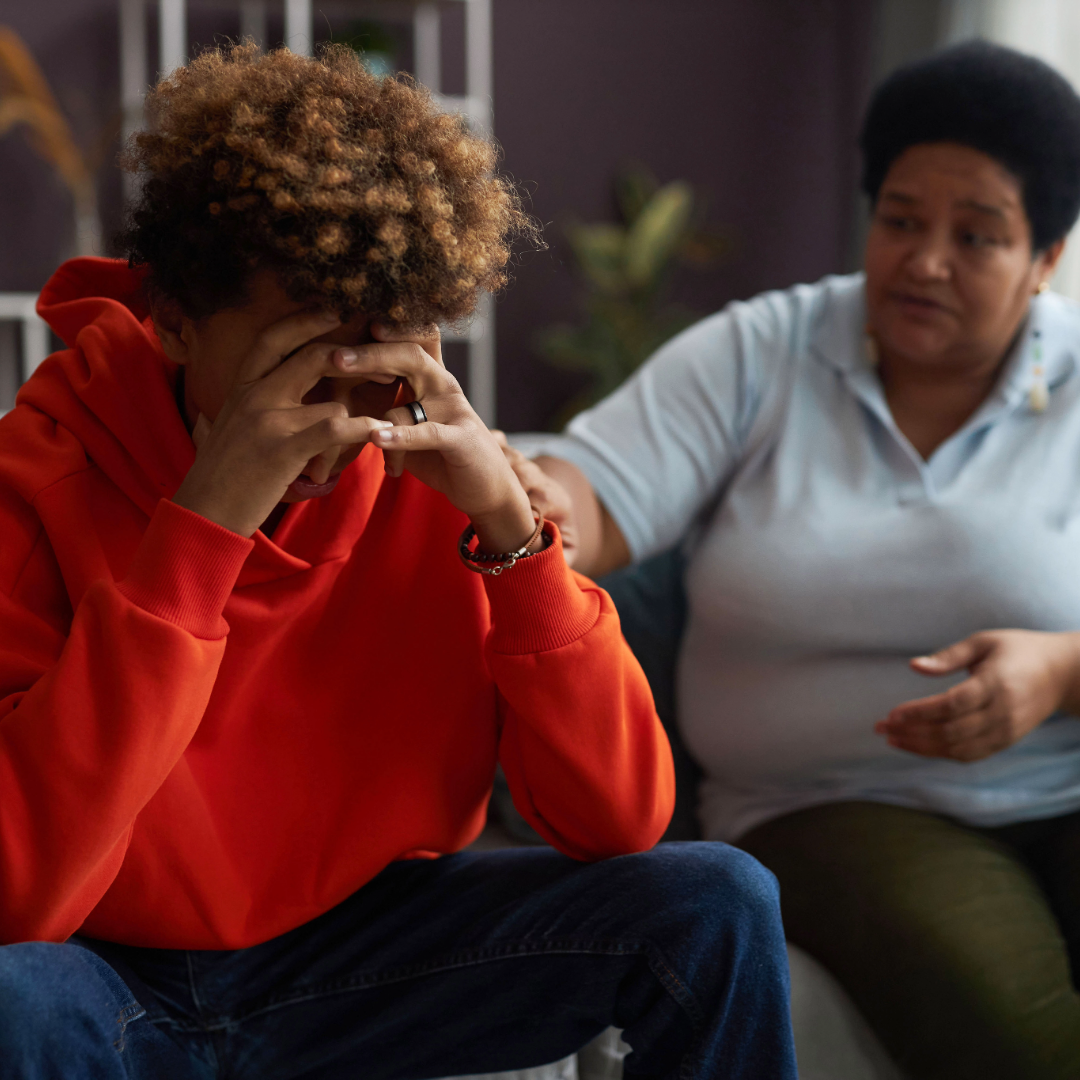
Working with Parents
Parents are a critical part of this process.
When a son is struggling, it can create confusion, tension, and uncertainty about how to respond. Do you push harder? Pull back? Set stricter limits?
We help you understand what’s driving the behavior and how to respond in a way that creates both structure and support.
Our goal is not just progress in sessions—but progress at home, in school, and in everyday life.
Video Game Addiction & Technology Overuse

For many adolescent boys, video games are more than entertainment—they become a primary outlet.
They provide:
A sense of control
Clear goals and reward systems
Escape from pressure or failure
Social connection without risk
Over time, this can begin to replace real-world engagement.
You may start to notice:
Decreased motivation for school or responsibilities
Increased irritability when not gaming
Withdrawal from family or offline relationships
Disrupted sleep and daily structure
Resistance to expectations or limits
What looks like defiance is often avoidance—or a lack of capacity to engage with real-world challenges.

How We Help
We don’t just try to remove gaming—we work to replace what it’s providing.
Identify what your son is avoiding or struggling to face
Understand the role gaming is playing in his life
Rebuild structure, expectations, and accountability
Develop real-world competence and confidence
Strengthen identity and internal motivation
Equip parents with clear, consistent strategies
The goal is to help him re-engage with life—not just restrict behavior.

What Progress Looks Like
Over time, you begin to see:
Increased ownership and responsibility
Improved follow-through and consistency
Better emotional regulation
Healthier engagement with school and responsibilities
Reduced dependence on gaming or avoidance
Stronger sense of direction and identity
This is a process. It takes time—but with the right structure and partnership, change becomes steady and sustainable.